
Every parent has been there—the grocery store meltdown, the bedtime tears that seem to come from nowhere, or the playground frustration that escalates faster than you can intervene. These moments of overwhelming emotion aren’t just challenging for parents. They’re genuinely difficult for children who haven’t yet developed the tools to understand what they’re feeling, much less how to manage it. Big emotions in early childhood are completely normal, but that doesn’t make them any easier to navigate. The good news is that emotional regulation is a skill that can be learned, and you play the most important role in helping children develop this crucial ability.
At Heritage Learning Center, we work with families through our preschool programs every day to support children through these challenging developmental stages, and we’ve seen firsthand what makes a real difference. Understanding why these emotions feel so overwhelming for young children is the first step toward helping them. Research shows that the prefrontal cortex, the part of the brain responsible for emotional regulation, doesn’t fully develop until the mid-twenties. For preschoolers and young elementary students, this means their emotional responses are largely driven by the amygdala, the brain’s alarm system. When something upsets them, their little brains literally can’t apply the brakes the way adult brains can.
What Big Emotions Look Like in Early Childhood
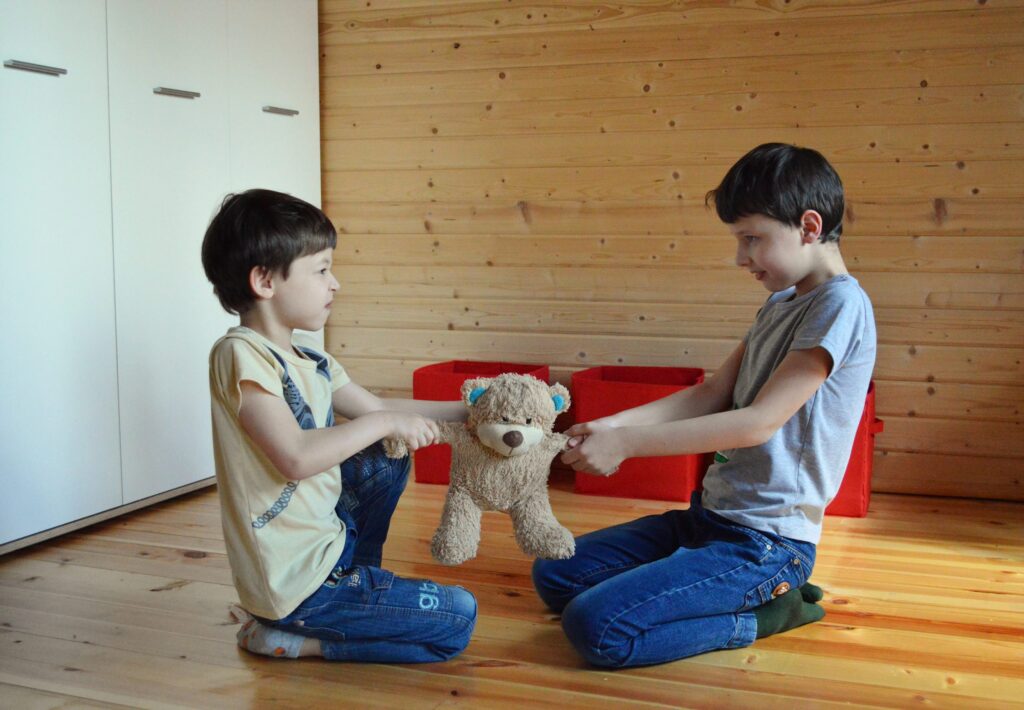
Helping children navigate big emotions starts with recognizing that what looks like defiance or drama is often genuine overwhelm. A four-year-old who throws blocks isn’t trying to be destructive—they’re communicating that something feels bigger than they can handle. That kindergartener melting down over the “wrong” colored cup isn’t being manipulative. They’re experiencing real distress that their developing brain can’t yet process effectively.
These emotional storms typically peak between ages two and four, though they can continue well into elementary school as children face new social challenges and academic pressures. You might notice intense reactions to transitions, difficulty calming down once upset, physical responses like hitting or throwing, or seemingly disproportionate responses to minor disappointments. All of these are signs that a child needs support developing their emotional vocabulary and regulation skills, not punishment for poor behavior.
Building Emotional Intelligence Together
The most powerful tool you have is connection. When your child is experiencing big emotions, getting down to their eye level and offering your calm presence sends a clear message that their feelings are manageable and that you’re there to help. This co-regulation, where your calm nervous system helps soothe theirs, is how children eventually learn to self-regulate.
Naming emotions is equally important. Young children often can’t distinguish between angry, frustrated, disappointed, or overwhelmed. When you say “You seem really frustrated that the tower keeps falling” or “I can see you’re disappointed we can’t go to the park today,” you’re giving them the language to understand their internal experience. Studies consistently show that children who can label their emotions show better emotional control and social skills.
Creating a feelings-friendly environment means validating emotions while still maintaining boundaries around behavior. You can acknowledge that your child feels angry about turning off the television while still holding firm that screen time is over. The emotion is always okay—it’s some behaviors that need guidance. This distinction helps children understand that all feelings are acceptable, even when certain actions aren’t.
Practical Strategies That Actually Work
Teaching simple calming techniques gives children concrete tools they can use independently. Deep breathing exercises, even silly ones like “smell the flowers, blow out the birthday candles,” engage the parasympathetic nervous system and actually reduce stress hormones. Progressive muscle relaxation, where children tense and release different muscle groups, helps them recognize physical tension and learn to release it.
Movement is incredibly powerful for emotional regulation. When emotions feel big, the body needs to move. A quick dance party, jumping jacks, or even just walking outside can help discharge the physical energy that comes with strong feelings. Many early childhood programs, including ours at Heritage Learning Center, build regular movement breaks into the day specifically because of these emotional benefits.
Creating a calm-down corner at home gives children a dedicated space to reset. This isn’t a punishment spot—it’s a cozy area with soft pillows, favorite books, sensory toys, or drawings of calming strategies. When children choose to use this space, they’re practicing the valuable skill of recognizing when they need a break and taking one.
When to Seek Additional Support
Most children gradually improve their emotional regulation skills with consistent support and practice. However, some signs suggest it might be helpful to seek guidance from a child development specialist. If your child’s emotional reactions regularly interfere with daily activities, if they have difficulty forming friendships because of emotional outbursts, or if you notice regression in previously mastered skills, reaching out for professional support can provide valuable insights and strategies.
Remember that asking for help isn’t a sign of failure. It’s a sign that you’re committed to understanding and supporting your child’s unique needs. Early childhood experts can offer personalized strategies based on your child’s temperament, developmental stage, and specific challenges.
Moving Forward with Confidence
Helping children navigate big emotions isn’t about eliminating feelings or creating perfectly behaved little robots. It’s about equipping them with the tools to understand themselves and manage their responses in healthy ways. This work requires patience, consistency, and a whole lot of deep breaths on your part, too.
The moments when your child successfully uses a calming strategy, names their feeling, or chooses a different response make all the challenging days worthwhile. You’re not just managing today’s tantrum. You’re building the foundation for a lifetime of emotional health and resilience.
At Heritage Learning Center, we partner with families to support children’s social-emotional development every single day. Our experienced educators understand that academic learning and emotional growth go hand in hand, and we’re here to support your family’s journey. If you’re looking for a learning environment that prioritizes the whole child, including their emotional well-being, we’d love to talk with you about how we can help. Reach out today to schedule a tour and see our approach to early childhood education in action.


