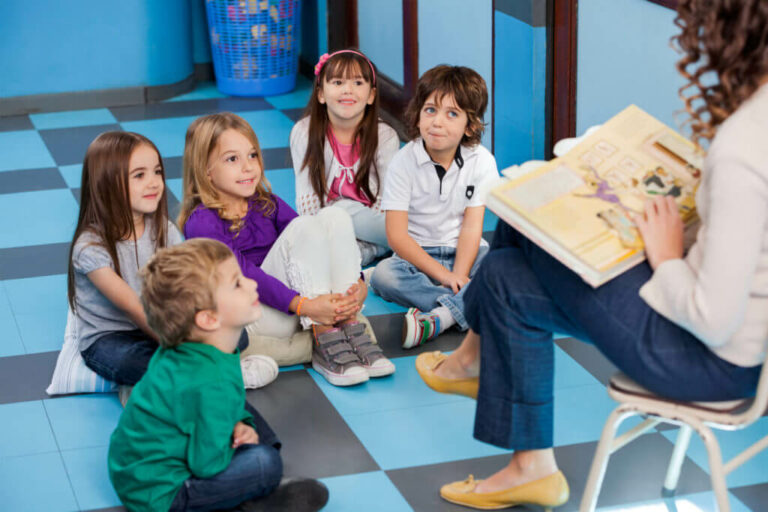
Preschool builds confidence and independence by giving young children opportunities to make choices, complete age-appropriate tasks, solve problems, and develop social skills in a supportive environment. Through consistent routines, hands-on learning, and positive encouragement, preschoolers gain the self-assurance to try new activities, express their needs, and handle everyday challenges with less adult assistance.
At Heritage Learning Center in McKinney, TX, we understand that every child’s journey toward independence looks different. Some children eagerly explore new activities, while others need extra reassurance before stepping outside their comfort zones. A nurturing preschool environment helps both types of learners grow at their own pace. Through meaningful interactions, engaging educational experiences, and opportunities to practice essential life skills, children begin discovering what they can accomplish independently. Our approach recognizes that building confidence is about more than preparing children academically for kindergarten. It’s about helping them develop the emotional resilience, curiosity, and self-reliance they need to thrive in school and beyond. For McKinney families, choosing a preschool that encourages independence while providing consistent support can make an important difference in their child’s early development.
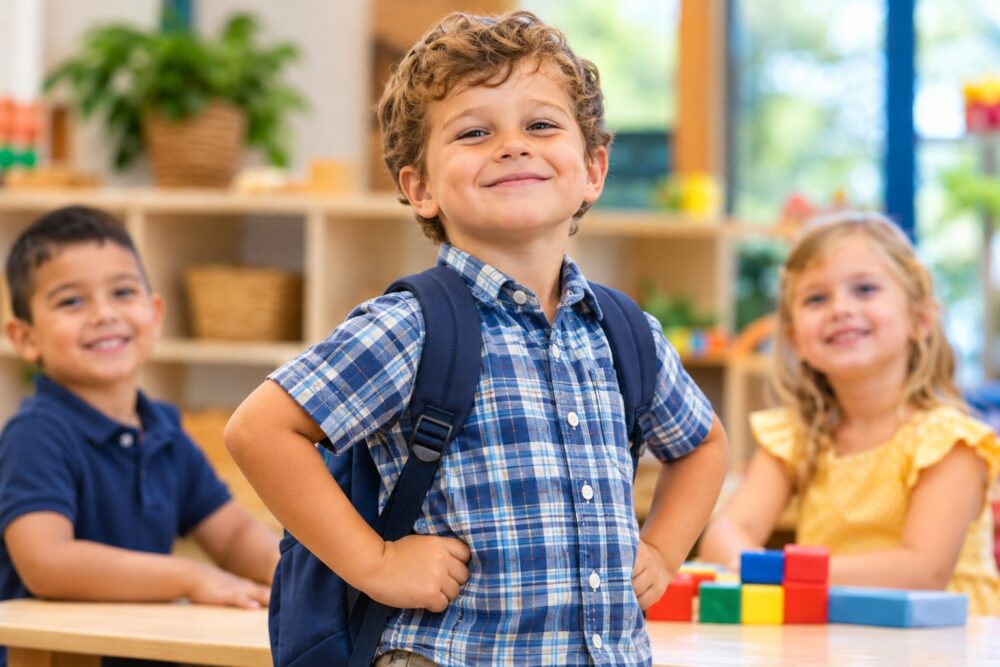
How Early Childhood Education Encourages Self-Confidence and Independence
Children develop independence gradually through repeated experiences that allow them to practice new skills and recognize their progress. Quality early childhood education provides the structure, encouragement, and opportunities needed to support this development.
1. How Do Daily Preschool Routines Teach Children Independence?
Predictable daily routines help preschoolers become more independent by teaching them what to expect and how to manage familiar responsibilities without constant reminders.
Activities such as putting away backpacks, washing hands, cleaning up toys, and preparing for snack time give children opportunities to practice self-help skills.
These everyday tasks help children:
- Develop responsibility for personal belongings.
- Build confidence in completing tasks independently.
- Improve their ability to follow directions.
- Strengthen organizational and time-management skills.
- Feel proud of their accomplishments.
For example, a child who initially needs help putting away classroom materials may eventually complete the task independently. That small achievement reinforces the belief that they are capable of handling new responsibilities.
Parents can support this growth at home by establishing simple morning and bedtime routines and allowing children enough time to complete manageable tasks themselves.
2. Why Does Play-Based Learning Build Confidence in Preschoolers?
Play-based learning strengthens confidence because it allows children to explore ideas, make decisions, and solve problems in a low-pressure environment.
When preschoolers build with blocks, participate in pretend play, or experiment with art materials, they practice independent thinking while discovering how their choices influence outcomes.
According to the National Association for the Education of Young Children (NAEYC), developmentally appropriate educational practices emphasize strengths-based, play-based learning that supports children’s development and engagement.
Through guided play and hands-on activities, preschoolers can develop:
- Decision-making skills: Choosing materials, activities, or approaches.
- Problem-solving abilities: Finding solutions when something doesn’t work.
- Creative confidence: Expressing original ideas without fearing mistakes.
- Persistence: Trying again after encountering challenges.
A child building a block tower, for instance, learns that a collapsed structure isn’t necessarily a failure. It’s an opportunity to adjust the design and try again.
These experiences teach children that learning involves exploration, experimentation, and perseverance.
3. How Does Preschool Help Shy Children Become More Confident?
Preschool can help shy children build confidence by offering gradual opportunities to interact with peers, communicate their needs, and participate in group activities within a supportive setting.
Children who are naturally reserved may initially prefer observing classmates rather than joining activities. Patient teachers can encourage participation without forcing uncomfortable interactions.
Small-group activities, cooperative games, and shared classroom responsibilities provide manageable opportunities for social growth.
Over time, children may become more comfortable:
- Asking teachers for assistance.
- Introducing themselves to classmates.
- Sharing ideas during group activities.
- Taking turns and cooperating with others.
- Speaking up when they need something.
Confidence doesn’t mean every child must become outgoing. For quieter children, independence may mean feeling comfortable making choices, asking questions, or participating in activities while maintaining their natural personality.
4. What Role Do Teachers Play in Developing Independent Learners?
Preschool teachers support independence by providing guidance while allowing children to practice skills and solve age-appropriate problems themselves.
Rather than immediately completing a challenging task for a child, an educator might offer encouragement, demonstrate a strategy, or ask a question that helps the child discover a solution.
This approach is often called scaffolding, where adults provide appropriate support and gradually reduce assistance as children become more capable.
For example, when a preschooler struggles to complete a puzzle, a teacher might suggest looking for corner pieces instead of assembling the puzzle for them.
Supportive teachers also help children understand that mistakes are a normal part of learning. By praising effort, persistence, and progress, educators encourage children to take healthy risks and develop confidence in their abilities.
5. How Can Parents Encourage Preschool Independence at Home?
Parents can reinforce preschool independence by offering children age-appropriate responsibilities, meaningful choices, and opportunities to work through manageable challenges.
The American Academy of Pediatrics, through HealthyChildren.org, emphasizes the importance of age-appropriate responsibilities, routines, and opportunities for children to develop self-help skills.
Families in McKinney can encourage independence through everyday experiences, whether preparing for preschool, visiting a neighborhood playground, or participating in family activities.
Helpful strategies include:
- Offer simple choices. Let children select between two appropriate outfits or activities.
- Encourage self-help skills. Allow them to practice dressing, putting away toys, and organizing belongings.
- Give responsibilities. Assign manageable tasks such as setting napkins on the table.
- Celebrate effort. Recognize persistence and improvement rather than expecting perfection.
- Allow problem-solving time. Resist the urge to intervene immediately when children encounter minor challenges.
When parents and preschool teachers reinforce similar expectations, children receive consistent opportunities to practice independence in different environments.
Frequently Asked Questions About Preschool Confidence and Independence
At What Age Do Children Start Becoming Independent?
Children begin demonstrating early independence during toddlerhood, often through simple choices and attempts to complete tasks without help. Between ages three and five, many children develop more advanced self-help, decision-making, and social skills through practice and encouragement.
Can Preschool Help a Child Who Lacks Confidence?
Yes. A supportive preschool environment can help children build confidence through achievable challenges, positive teacher relationships, and repeated opportunities for success. Progress varies depending on each child’s temperament, experiences, and developmental needs.
How Does Independence in Preschool Prepare Children for Kindergarten?
Preschool independence supports kindergarten readiness by helping children follow routines, manage personal belongings, communicate needs, and participate in classroom activities. These abilities allow children to approach new learning experiences with greater confidence.
Is It Better to Help Preschoolers or Let Them Do Things Themselves?
A balanced approach works best. Adults should provide guidance when needed while allowing children to complete developmentally appropriate tasks independently whenever possible.
Help Your Child Grow with Confidence at Heritage Learning Center
Every small accomplishment helps build the foundation for a confident, capable learner. At Heritage Learning Center in McKinney, TX, we value opportunities for children to explore, develop independence, and discover their individual strengths in a caring preschool environment.
Ready to help your child develop confidence and independence? Contact Heritage Learning Center today to learn more about our preschool programs and take the next step toward your child’s educational journey.